6 CBD SEO Strategies That Actually Work in 2026’s AI Search Era
TLDR: CBD brands face some of the most restrictive advertising environments of any legal consumer product category, which makes organic search and AI search visibility not just important but essential for sustainable customer acquisition. This blog covers six CBD SEO strategies that work specifically within the regulatory constraints that CBD brands operate under, with practical guidance on content structure, AI search optimization, and how SEO Inventiv approaches this challenging category.
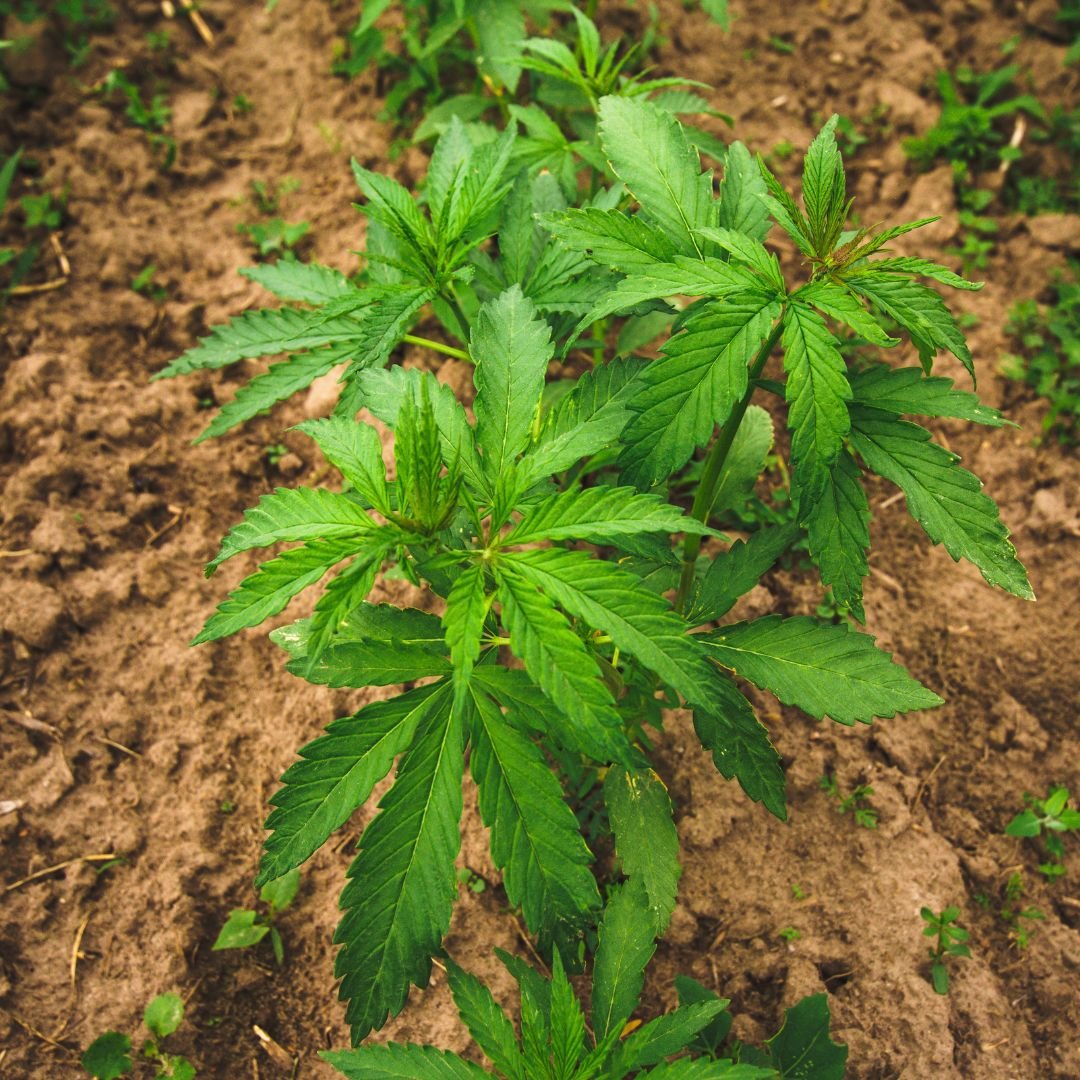 Why CBD SEO Requires a Different Approach Than Standard E-Commerce SEO
CBD brands cannot run standard paid advertising on Google, Meta, or most major ad platforms. This single constraint fundamentally changes the economics of customer acquisition for CBD businesses because the paid channels that most e-commerce brands use to drive traffic and test messaging are largely unavailable. Organic search and AI search visibility are not supplementary channels for CBD brands. They are the primary customer acquisition channels, which means CBD SEO mistakes have direct and disproportionate revenue consequences.
The regulatory environment also creates content constraints that most SEO approaches do not account for. CBD content cannot make health claims in ways that trigger FDA scrutiny. It cannot use testimonial structures that imply medical efficacy without appropriate disclaimers. It operates in a legal gray area that varies by state and country, which affects what can be said, how it can be said, and which keywords carry regulatory risk alongside search value. Building CBD SEO strategy without accounting for these constraints produces content that either underperforms because it is too cautious or creates compliance risk because it is not cautious enough. SEO Inventiv has developed specific CBD SEO frameworks that navigate this tension, and the broader approach to AI-era search visibility that underpins CBD strategy is covered in detail in the resources around agentic seo, which explains how autonomous AI systems are changing the way search visibility gets built and maintained across regulated product categories.
Strategy 1: Build Educational Content Hubs That Answer Questions Without Making Claims
The most sustainable CBD SEO content structure in 2026 is the educational hub that answers genuine consumer questions about CBD without crossing into health claim territory. Consumers searching for CBD information are asking questions that range from basic product questions to research-focused queries about mechanisms and studies. Answering these questions thoroughly and accurately builds the expertise signals that AI search tools prioritize without triggering the regulatory concerns that claims-based content creates.
An effective CBD educational hub covers:
- What CBD is and how it differs from THC and other cannabinoids
- How different CBD product types (oils, gummies, topicals, capsules) are absorbed and used
- What the current research landscape looks like for different areas of consumer interest
- How CBD products are manufactured, tested, and labeled
- What consumers should look for when evaluating CBD product quality and transparency
- How CBD regulations differ across different states and countries
Each of these topics addresses genuine consumer questions without requiring health claims. The content demonstrates expertise, provides genuine value, and creates the authority signals that AI search tools use to evaluate whether a source is worth citing in response to CBD-related queries.
Strategy 2: Target Long-Tail Informational Keywords That Avoid High-Competition and High-Risk Terms
CBD keyword strategy in 2026 requires simultaneous optimization for search volume, competition level, and regulatory risk. A keyword that has high search volume and reasonable competition but that would require health claim content to rank effectively is a trap rather than an opportunity.
The most valuable CBD keywords are long-tail informational queries that consumers use when researching rather than when ready to purchase. These queries convert at lower immediate rates than purchase-intent keywords, but they build the trust and expertise association that eventually drives purchase decisions. They also tend to have lower competition and lower regulatory risk because they invite educational rather than claims-based content.
High-value CBD long-tail keyword categories for 2026:
| Keyword Type | Example | Content Approach | Risk Level |
|---|---|---|---|
| Product comparison | CBD oil vs CBD gummies absorption | Educational comparison | Low |
| Manufacturing process | How CBD is extracted from hemp | Process explanation | Low |
| Quality indicators | What does third-party COA mean for CBD | Consumer education | Low |
| Research context | What studies exist on CBD and sleep | Research summary | Medium |
| Regulatory context | Is CBD legal in all US states | Legal overview | Low |
| Usage guidance | How to calculate CBD serving size | Product guidance | Medium |
The medium-risk categories can be addressed effectively with careful framing that presents information as educational context rather than personal recommendation or health guidance.
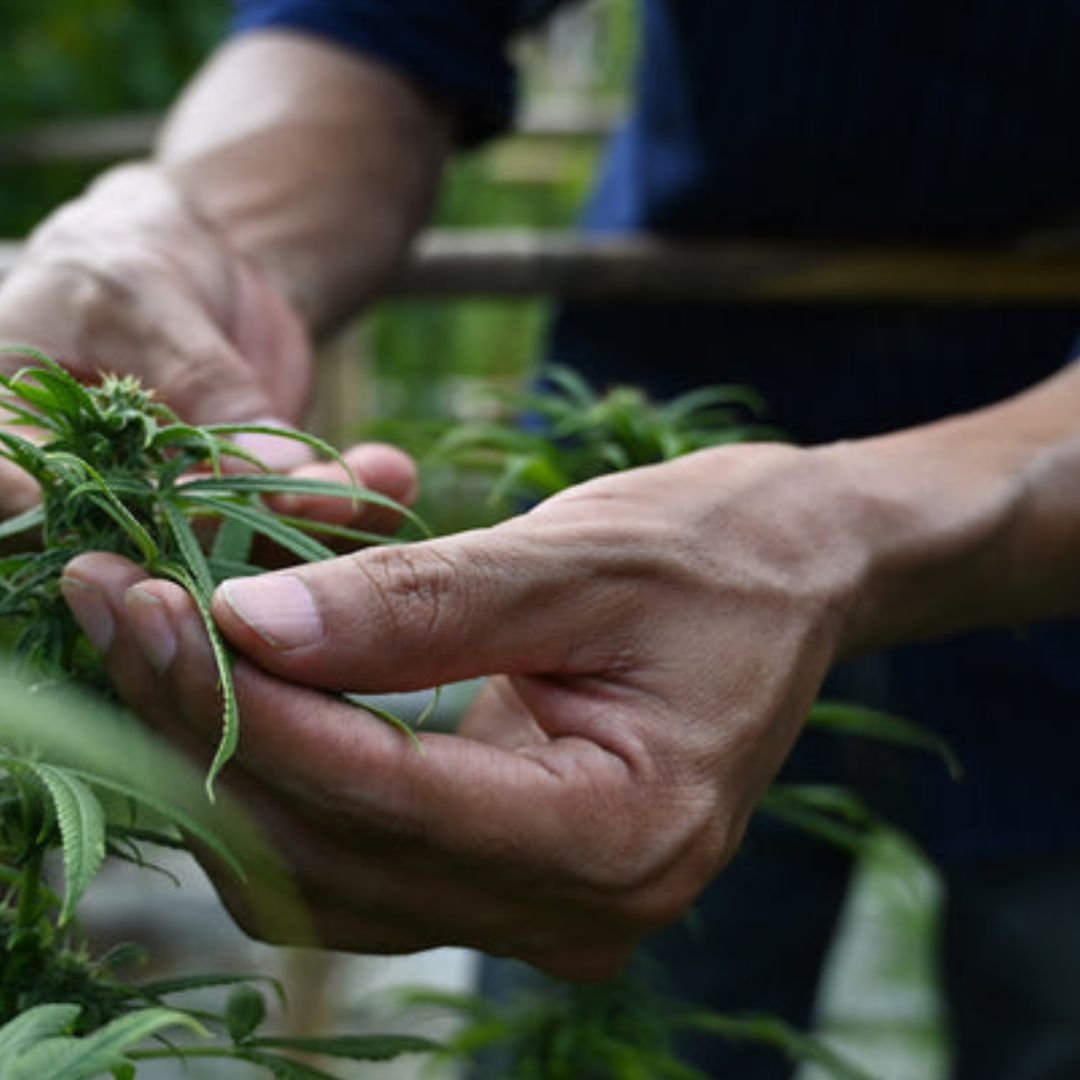 Strategy 3: Optimize for AI Search Citation With Answer-First Formatting
AI search tools including ChatGPT, Perplexity, and Google AI Overviews are increasingly where consumers begin their CBD research in 2026. A consumer who asks an AI tool about the difference between full-spectrum and broad-spectrum CBD is performing research that could lead to a purchase, and the CBD brand whose content gets cited in that AI response has a significant discovery advantage.
Getting cited in AI search results for CBD queries requires the same structural content approach that works across all categories, applied specifically to CBD content constraints. Answer-first formatting means leading each major section with a 40 to 60 word direct answer to the question that heading addresses. AI systems extract these leading answers when constructing responses to user queries, which is why content that buries the answer in paragraph three after context-setting rarely gets cited even when the underlying information is excellent.
Specific structural requirements for AI-optimized CBD content:
- H1 heading that names the specific topic as a clear, searchable phrase
- H2 headings structured as questions that real consumers ask rather than content organization labels
- 40 to 60 word answer paragraph immediately below each H2 before expanding into detail
- Comparison tables for product categories, quality indicators, and research summaries
- FAQ sections with schema markup at the end of each content piece
- Author attribution with credentials relevant to CBD content (biochemistry, pharmacy, nutrition, or wellness backgrounds)
Strategy 4: Build E-E-A-T Signals That Address CBD’s Unique Trust Challenge
CBD brands face a trust credibility challenge that most product categories do not. The CBD market has significant quality variation, the regulatory environment creates consumer uncertainty, and the history of exaggerated claims in the early CBD market years has made informed consumers appropriately skeptical. Building content that demonstrates genuine expertise and transparency addresses this trust deficit directly.
E-E-A-T for CBD requires specific elements beyond the standard author bio and credential signaling:
Experience signals include documented product testing, transparency about manufacturing relationships, and content that reflects genuine familiarity with CBD industry practices rather than generic wellness content repackaged with CBD references.
Expertise signals include author credentials in relevant scientific or health fields, citations to peer-reviewed research rather than news articles, and technical accuracy in how CBD mechanisms are described.
Authoritativeness signals include third-party coverage of your brand in industry publications, expert quotes from verifiable professionals, and content that other reputable sites link to because it provides information they cannot.
Trustworthiness signals include clear disclosure of commercial relationships, accurate and conservative descriptions of product testing and quality, and content that acknowledges the limits of current CBD research rather than presenting the field as more settled than it is.
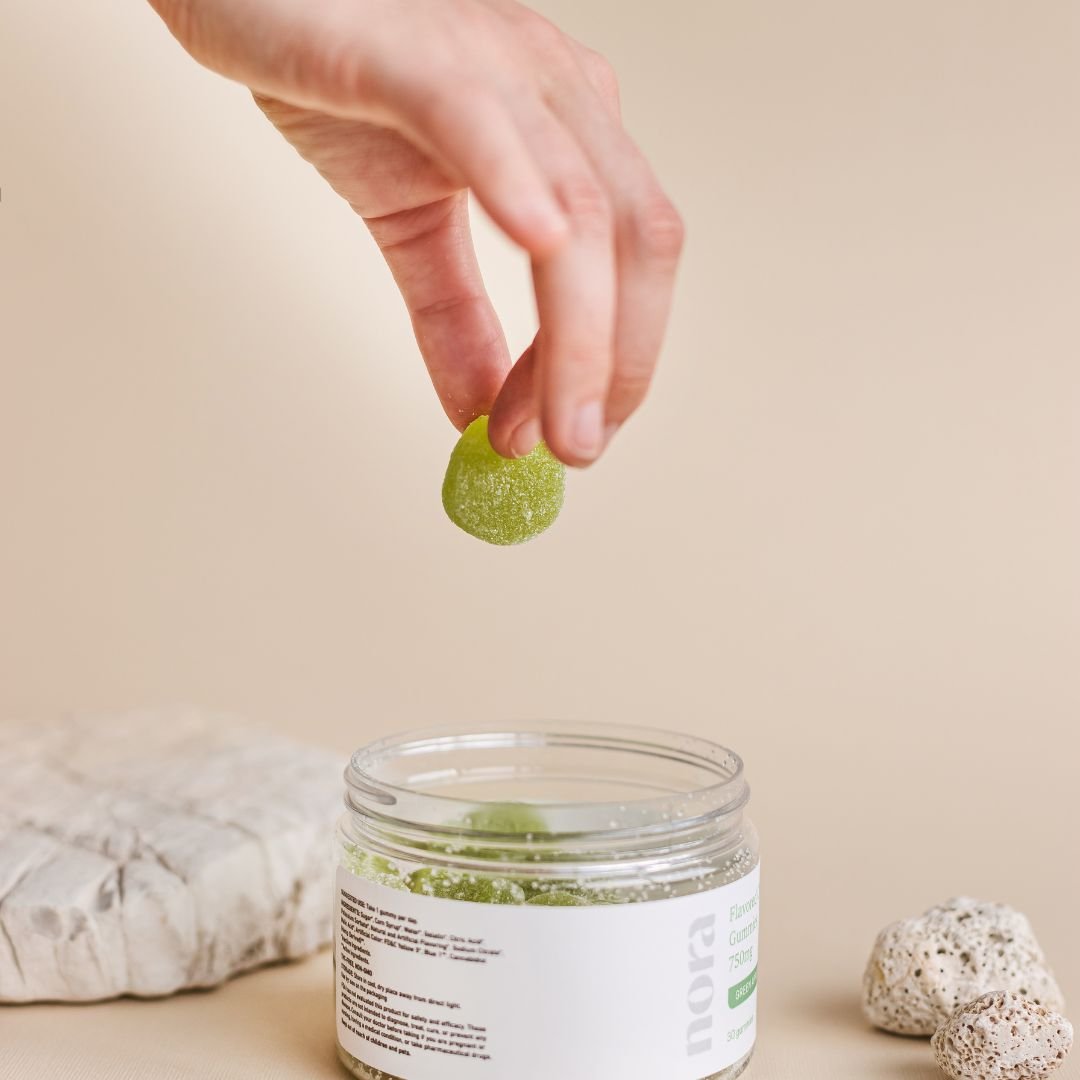 Strategy 5: Develop Local SEO for CBD Retail and State-Specific Content
CBD regulations vary by state in ways that affect both what products are legal and what claims can be made in different markets. This regulatory variation creates a local SEO opportunity that CBD brands with physical retail presence or state-specific shipping restrictions can use to build targeted search visibility.
State-specific CBD content covers the regulatory status, purchasing options, and relevant consumer information for each state where the brand operates. This content serves consumers searching for CBD information in their specific state, ranks for lower-competition local queries rather than national CBD terms, and demonstrates regulatory awareness that builds trust with consumers who are uncertain about CBD legality in their area.
Local CBD SEO elements that drive meaningful traffic:
- City and state-specific landing pages for brands with retail locations
- State regulatory overview content that addresses legal status and purchasing context
- Local delivery and shipping policy content that addresses state-specific rules
- Regional retailer or dispensary finder content for brands with distribution networks
- Community content that connects the brand to local wellness and health communities
 Strategy 6: Track AI Visibility and Brand Mention Performance Specific to CBD Queries
Standard SEO analytics track keyword rankings and organic traffic. CBD brands building AI search visibility need additional metrics that capture how their content is performing in the AI-mediated search environment where a growing share of CBD research now begins.
AI visibility tracking for CBD brands involves monitoring which CBD queries are generating AI overview results in Google and other AI tools, checking whether your brand or content is being cited in those results, tracking branded search volume as an indicator of AI-driven discovery, and monitoring whether specific content pieces are generating traffic from AI referral sources.
This tracking is more complex than standard SEO analytics and requires both manual query monitoring and specialized tools that are still developing for the AI search measurement category. The investment is worth making because CBD brands that identify early which of their content is getting AI citation can reverse-engineer what those pieces have in common and replicate the approach across more of their content library.
For CBD brands that want to invest in both the strategic framework and the ongoing execution of AI-era search visibility, the combination of content strategy, technical optimization, and AI visibility measurement is increasingly handled by specialist teams rather than generalist SEO practitioners. Travel industry brands navigating similarly regulated content environments have developed parallel frameworks, and the approaches used for seo for travel agents in terms of building trust signals, managing content constraints, and optimizing for AI citation in a competitive discovery environment translate directly to the CBD context with appropriate category-specific adjustments.
CBD brands that want a complete AI search visibility strategy, from content architecture and E-E-A-T development through to technical schema implementation and ongoing AI mention tracking, benefit from working with specialists who understand both the technical requirements of modern search optimization and the specific regulatory constraints of the CBD category. Understanding how to improve brand visibility in ai search engines in the context of a regulated product category is where SEO Inventiv’s category-specific expertise creates the most measurable difference for CBD brands trying to build sustainable organic visibility in a paid-advertising-restricted environment.
Frequently Asked Questions
Can CBD brands rank in Google despite advertising restrictions? Yes. Google’s advertising restrictions on CBD do not affect organic search rankings. CBD content that meets Google’s quality standards, provides genuine consumer value, and avoids unsubstantiated health claims can rank for relevant queries through organic search exactly like any other product category. The advertising restrictions actually increase the value of organic rankings for CBD brands because paid traffic alternatives are so limited.
What types of health claims are safe to make in CBD content? The safest approach is to avoid health claims entirely and focus on educational content that describes CBD’s properties, the research landscape, and consumer decision-making frameworks without making specific efficacy statements. Structure statements about research as descriptions of what studies have examined rather than conclusions about what CBD does. Phrases that imply established medical efficacy are higher-risk than phrases that describe ongoing research interest. Consulting with a regulatory attorney familiar with FTC and FDA guidelines is worth the investment for CBD brands publishing at scale.
How long does CBD SEO take to produce measurable results? CBD SEO typically takes three to six months to produce meaningful organic traffic growth from new content and six to twelve months to reach competitive rankings for higher-volume queries. AI search citation can happen faster for well-structured content addressing specific queries, sometimes within four to eight weeks of publication for content that fills a genuine information gap. The compounding nature of content authority means the investment grows in value over time rather than producing one-time results.
Is it worth investing in CBD SEO when the regulatory environment might change? Regulatory changes in the CBD space have consistently moved toward greater clarification rather than prohibition, making the long-term investment in organic search visibility more defensible over time rather than less. Brands that build genuine content authority during the current regulatory period are well positioned to capitalize on any regulatory relaxation that allows more direct marketing approaches. Organic SEO investment retains its value regardless of regulatory direction.
How does AI search change customer acquisition for CBD brands specifically? AI search tools are particularly significant for CBD brands because they serve the research phase of the consumer journey where CBD purchases begin. A consumer asking an AI tool about CBD for the first time is performing the same research that previously happened through Google searches but now receives a synthesized answer rather than a list of links. CBD brands whose content is cited in those AI answers are being recommended during the highest-intent research phase of the purchase journey, which makes AI citation a very high-value form of organic visibility for this category specifically.
What is the most common CBD SEO mistake that reduces AI search visibility? The most common mistake is publishing CBD content that makes implicit health claims through carefully worded language that avoids direct statements but still implies efficacy through framing and context. AI search tools evaluate the overall meaning of content rather than just scanning for specific prohibited phrases, which means content that is technically claim-free but functionally claim-implying may not get cited because it sits in the same trust-questionable category as more explicit health claims. Publishing genuinely educational content that describes the research landscape accurately and acknowledges uncertainty where it exists produces stronger AI citation performance than content that hedges claims without eliminating them. For CBD brands wanting to monitor how their content performs in AI search results and identify which pieces are building citation frequency, the practical framework for how to track brand mentions in ai search gives you the measurement infrastructure to turn AI search visibility from a vague goal into a tracked and optimizable performance metric.